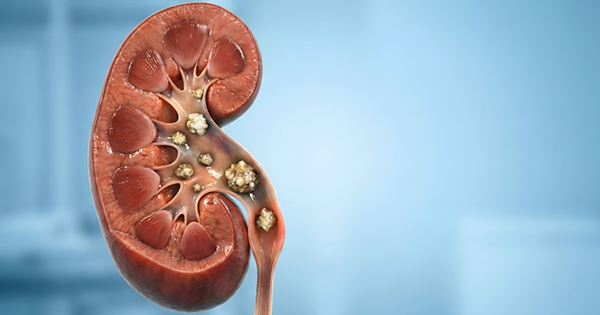
How to Remove Kidney Stones Without Surgery? Understanding RIRS Treatment
Kidney stones can cause severe pain, discomfort while urinating, nausea, and other urinary problems. For many patients, the thought of undergoing an operation can be worrying. Fortunately, modern medical techniques offer several ways to treat kidney stones without making large surgical cuts.
One such option is Retrograde Intrarenal Surgery (RIRS), a minimally invasive procedure that uses a thin, flexible instrument and laser energy to break kidney stones into smaller pieces. It allows doctors to reach stones inside the kidney through the natural urinary passage, helping many patients avoid traditional open surgery.
However, not every kidney stone requires a procedure, and RIRS is not suitable for every patient. Understanding how this treatment works, who may benefit from it, and what recovery involves can help you make an informed decision with your doctor.
Can Kidney Stones Be Removed Without Open Surgery?
Yes. Many kidney stones can be managed without open surgery, depending on their size, location, hardness, and the symptoms they cause.
Small stones may pass naturally through the urine. A doctor may recommend drinking an appropriate amount of water, taking pain-relief medication, and monitoring the stone. In selected cases, medicines can help a stone pass more easily.
When a stone is too large to pass, causes repeated pain, blocks urine flow, or increases the risk of infection or kidney damage, a procedure may be necessary. Modern options include shock wave lithotripsy, ureteroscopy, and RIRS.
RIRS is particularly useful when a stone is located inside the kidney and needs to be reached and treated through the urinary tract. Patients seeking advice from a kidney stone specialist in Abu Dhabi can discuss whether this approach is appropriate for their individual condition.
It is important to remember that minimally invasive treatment is still a medical procedure. The safest option depends on a proper assessment rather than stone size alone.
What Is RIRS and How Does It Remove Kidney Stones?
Retrograde Intrarenal Surgery, commonly called RIRS, is a minimally invasive procedure used to treat kidney stones. It does not require an external incision because the doctor reaches the kidney through the urethra, the tube through which urine leaves the body.
During the procedure, a thin, flexible instrument called a ureteroscope is guided through the bladder and ureter into the kidney. A ureteroscope contains a camera and light, allowing the doctor to view the urinary tract and locate the stone.
A specialised laser, commonly a holmium or thulium fibre laser, is then used to break the stone into smaller fragments or fine particles. Depending on the stone and the treatment plan, fragments may be removed using a small retrieval basket or allowed to pass through the urine.
Because the procedure avoids large cuts through the skin, it generally involves less wound-related discomfort than traditional open surgery. Nevertheless, recovery time and results vary depending on the patient's condition and the complexity of treatment.
Who Needs RIRS Treatment for Kidney Stones?
RIRS may be recommended when a kidney stone is unlikely to pass naturally or when treatment is needed to relieve symptoms and prevent complications.
A doctor may consider this procedure for stones that are difficult to reach using other techniques, stones that have not responded to previous treatment, or stones in patients for whom another approach may be less suitable.
The decision depends on several factors, including stone size, number, location, kidney anatomy, urine flow, infection risk, and the patient's overall health. Some larger or complex stones may be better treated using a different procedure, such as percutaneous nephrolithotomy (PCNL), which reaches the kidney through a small opening in the back.
Consulting a qualified Urologist in Abu Dhbai can help patients understand the available treatment options and determine whether RIRS is suitable for their diagnosis.
A doctor may request imaging tests and urine investigations before recommending treatment. If a urinary infection is present, it usually needs to be addressed before a planned stone-removal procedure.
How Is the RIRS Procedure Performed?
RIRS is generally performed in a hospital or specialised surgical facility under general anaesthesia, meaning the patient is asleep during the procedure.
Before starting, the medical team reviews imaging results and checks for conditions that could affect treatment. Once anaesthesia has been administered, the doctor carefully guides the flexible ureteroscope through the urinary tract to reach the stone.
Laser energy is used to fragment the stone. The doctor may remove selected fragments with a retrieval basket and check the treated area to assess the result.
A temporary ureteral stent may be placed at the end of the procedure. This is a thin tube that helps urine drain from the kidney to the bladder while swelling settles and small fragments pass. It is not required in every case and is usually removed at a planned follow-up appointment.
The procedure's duration varies according to stone size, number, location, and complexity. Some patients can return home the same day, while others may need overnight observation.
Is RIRS Painful? What to Expect During Treatment
Since RIRS is usually performed under general anaesthesia, patients do not feel the procedure itself. Afterward, mild or moderate discomfort may occur as the urinary tract recovers.
Some people experience a burning sensation while passing urine, a small amount of blood in the urine, frequent urination, or discomfort in the side or bladder area. These symptoms are often temporary.
If a ureteral stent is inserted, it may cause bladder irritation or discomfort, particularly during urination or physical activity. The treating team may recommend suitable pain-relief medicines and explain how to manage stent-related symptoms.
A Urology Specialist in Abu Dhbai can explain what to expect before and after treatment, including the possible need for a stent and the arrangements for its removal.
Severe or increasing pain, fever, chills, difficulty passing urine, or persistent heavy bleeding should be reported promptly to a healthcare professional. Fever after a urinary procedure may indicate an infection and requires urgent assessment.
How Long Does It Take to Recover After RIRS?
Recovery depends on the complexity of the procedure, the patient's general health, and whether a stent has been inserted. Many patients resume light daily activities within a few days, although a longer recovery period may be needed after more complex treatment.
During the initial recovery period, patients should follow their doctor's instructions regarding fluids, medication, activity, and follow-up appointments. Adequate hydration may help urine flow and the passage of small stone fragments, but fluid intake should be individualised for people with kidney or heart conditions.
If a stent is present, some urinary discomfort may continue until it is removed. Patients should not miss the scheduled removal appointment because a temporary stent is not intended to remain in place indefinitely unless specifically advised.
Follow-up imaging or other tests may be recommended to check whether stones remain. Even after successful treatment, new stones can develop. Identifying the type of stone and its underlying causes can help reduce the risk of recurrence.
What Are the Risks and Side Effects of RIRS?
RIRS is generally considered a safe and established treatment when performed by an appropriately trained specialist. However, like any procedure, it carries potential risks.
Temporary blood in the urine, burning during urination, bladder irritation, and discomfort from a stent are relatively common. Other possible complications include urinary tract infection, bleeding, injury to the ureter, and incomplete stone clearance.
Occasionally, a patient may need another procedure if fragments remain or the stone cannot be treated fully in one session. In rare cases, serious infection or significant injury may occur.
The doctor will assess individual risks before treatment and discuss whether another approach may offer better results. Following pre-procedure instructions, treating any infection, and attending follow-up visits are important parts of safe care.
RIRS vs. Laser Kidney Stone Treatment: What Is the Difference?
RIRS and laser kidney stone treatment are not completely separate procedures. RIRS describes the method used to reach stones inside the kidney, while laser treatment describes the technology used to break them apart.
In RIRS, the laser is delivered through a flexible ureteroscope inserted through the natural urinary passage. Laser treatment can also be used during other endoscopic procedures, including ureteroscopy for stones in the ureter.
Another option is shock wave lithotripsy, which uses externally generated sound waves to break stones into smaller pieces. It does not involve inserting a scope into the urinary tract, but its suitability depends on factors such as stone size, location, and hardness.
The best method depends on the individual case. Patients should discuss the likely benefits, limitations, number of treatments required, and possible complications with their treating specialist.
How to Prepare for RIRS Kidney Stone Treatment
Preparing for RIRS involves medical checks and practical arrangements to support a safe procedure and smooth recovery.
Before treatment, the doctor may recommend blood tests, urine testing, kidney imaging, and a review of current medicines. Blood-thinning medicines, diabetes treatments, and other prescriptions may need specific instructions, so patients should never stop or change medication without medical advice.
The hospital will explain when to stop eating and drinking before anaesthesia. Patients should arrange transport home if the procedure is planned as day care, because they may not be fit to drive immediately afterward.
It is also helpful to ask when normal work and exercise can resume, whether a stent is likely to be required, and when follow-up appointments will take place.
Dr. Jaspreet Singh Sandhu can help patients understand the treatment process and discuss appropriate options based on their stone-related symptoms, investigation results, and overall health.
Take the Next Step Towards Kidney Stone Relief
Kidney stones do not always require traditional open surgery. For suitable patients, RIRS offers a minimally invasive way to treat stones inside the kidney, with recovery and outcomes depending on the individual's condition.
If you are looking for the best kidney specialist in Abu Dhabi, seek a personalised assessment to understand your diagnosis and the most appropriate treatment options.
Book a consultation with Dr. Jaspreet Singh Sandhu to discuss your kidney stone symptoms, explore RIRS treatment, and receive a care plan tailored to your needs.
Frequently Asked Questions (FAQs)
1. Can kidney stones be removed without surgery?
Many small stones pass naturally with appropriate monitoring and medical advice. Larger or troublesome stones may require minimally invasive procedures such as RIRS, ureteroscopy, or shock wave lithotripsy.
2. Is RIRS a good treatment for kidney stones?
RIRS can be an effective option for suitable kidney stones, particularly those that are difficult to reach with other treatments. The best choice depends on stone size, location, anatomy, and overall health.
3. How many days does it take to recover from RIRS?
Many patients return to light activities within a few days. Recovery may take longer if the procedure is complex or a stent causes discomfort. Follow your doctor's advice about returning to work and exercise.
4. Is laser treatment for kidney stones painful?
The procedure is usually performed under anaesthesia, so patients do not feel it while it is being carried out. Temporary discomfort, burning during urination, or stent-related symptoms may occur afterward.
5. Which kidney stones can be treated with RIRS?
RIRS can treat many stones located inside the kidney, including selected stones that are difficult to reach using other techniques. Very large or complex stones may be better managed with an alternative procedure.