Stress Urinary Incontinence in Women: Causes & Symptoms
Stress urinary incontinence is a common yet often embarrassing condition that affects many women. It leads to unintentional urine leakage during activities that put pressure on the bladder. Although it is not life-threatening, it can significantly affect daily life, confidence, and emotional well-being.
If you are experiencing symptoms of Stress urinary incontinence in Abu Dhabi, understanding the condition can help you take the right steps toward treatment.
WHAT IS STRESS URINARY INCONTINENCE?
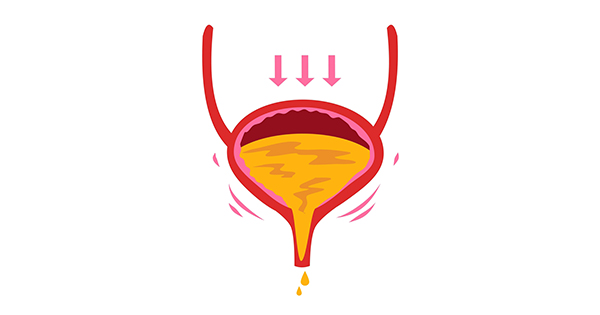
Stress urinary incontinence (SUI) occurs when physical movement or activity puts pressure on the bladder, causing urine leakage.
Common triggers include:
- Coughing
- Sneezing
- Laughing
- Running or exercising
- Lifting heavy objects
This happens when the muscles that support the bladder and urethra become weak or damaged.
A qualified Urologist in Abu Dhabi can help diagnose the condition and recommend suitable treatment options.
HOW DOES IT HAPPEN?
The bladder stores urine, and the urethra controls its release. These functions are supported by pelvic floor muscles.
When these muscles weaken:
- The urethra cannot stay fully closed
- Pressure from activities causes leakage
- Control over urination is reduced
This condition is different from urge incontinence, where leakage happens due to a sudden urge to urinate.
COMMON CAUSES OF STRESS URINARY INCONTINENCE
Several factors can weaken pelvic floor muscles and lead to SUI.
Major causes include:
- Pregnancy and childbirth: Stretch and weaken pelvic muscles
- Aging: Muscles lose strength over time
- Hormonal changes: Especially after menopause
- Obesity: Extra weight increases pressure on the bladder
- Chronic coughing: Strains pelvic muscles
- Previous pelvic surgeries
Women experiencing these risk factors should consult a Female urologist in Abu Dhabi for early evaluation and care.
SYMPTOMS YOU SHOULD NOT IGNORE
Stress urinary incontinence may start as a minor issue but can worsen over time.
Common symptoms:
- Leakage during coughing or sneezing
- Urine loss while exercising
- Wetness after lifting objects
- Reduced control over bladder
- Avoiding social activities due to embarrassment
If these symptoms affect your daily routine, it is important to seek medical advice.
WHO IS AT HIGHER RISK?
Certain groups of women are more likely to develop stress urinary incontinence.
High-risk individuals:
- Women who have had multiple pregnancies
- Women after menopause
- Overweight individuals
- Women with a family history of incontinence
- Those with physically demanding lifestyles
An experienced Urogynecology in specialist Abu Dhabi can assess your risk and suggest preventive measures.
DIAGNOSIS AND EVALUATION
Proper diagnosis is essential to determine the severity of the condition.
Common diagnostic methods:
- Medical history review
- Physical examination
- Urine tests
- Bladder function tests
- Imaging if needed
Accurate diagnosis helps in choosing the most effective treatment.
TREATMENT OPTIONS AVAILABLE
The good news is that stress urinary incontinence is treatable. Treatment depends on the severity of the condition.
Non-surgical treatments:
- Pelvic floor exercises (Kegels)
- Lifestyle changes (weight loss, fluid management)
- Bladder training
- Medications (in some cases)
Surgical options:
When non-surgical methods do not work, surgery may be recommended.
One advanced option is Mid-urethral sling surgery in Abu Dhabi, which provides support to the urethra and helps prevent leakage.
BENEFITS OF EARLY TREATMENT
Seeking treatment early can greatly improve your quality of life.
Advantages include:
- Better bladder control
- Increased confidence
- Improved daily comfort
- Reduced risk of complications
Early care can also prevent the condition from worsening over time.
Lifestyle Tips to Manage Symptoms
Simple lifestyle changes can help manage and reduce symptoms.
Helpful tips:
- Maintain a healthy weight
- Avoid excessive caffeine and alcohol
- Practice pelvic floor exercises regularly
- Stay hydrated but avoid overconsumption
- Quit smoking to reduce coughing
These habits can support your treatment and improve results.
WHEN SHOULD YOU SEE A DOCTOR?
Do not ignore symptoms or feel embarrassed to seek help.
Consult a specialist if:
- Leakage occurs frequently
- Symptoms interfere with daily life
- You avoid social activities
- Home remedies are not effective
For expert care, you can consult Dr. Jaspreet Singh Sandhu, who specializes in advanced treatments for urinary conditions.
FINAL THOUGHTS
Stress urinary incontinence is a common condition, but it is manageable and treatable. Understanding the causes and symptoms can help you take control of your health.
There is no need to suffer in silence—effective treatments are available to help you regain confidence and comfort.
TAKE THE NEXT STEP
If you are experiencing symptoms of stress urinary incontinence, do not delay seeking help.
Call to Action:
Consult a qualified specialist for proper diagnosis and personalized treatment. With the right care, you can live a comfortable and active life without worry.
Taking action today can make a big difference in your future well-being.